Snapshot News
January 8, 2024
THE DOUBLE STANDARDS USED BY EUROPEAN LEADERS STILL PENALIZING CHRYSOTILE
Fifty years after scientists first probed the issue, an important study by a group of Italian researchers led by dr. Silvia Damiana Visona significantly increases our understanding of the relevance of asbestos lung burden in determining malignant mesothelioma (MM) risks...
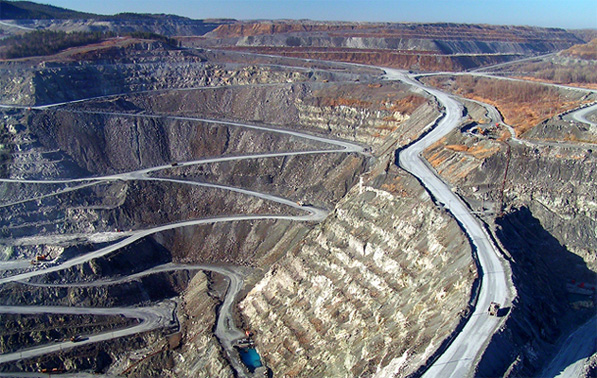
THE CHRYSOTILE INDUSTRY CREATED A RESPONSIBLE-USE PROGRAM THAT IS BASED
ON THE CONTROLLED-USE APPROACH TO REGULATING CHRYSOTILE
 |
|
 |
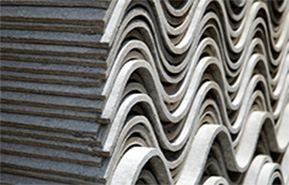
The chrysotile fibre is encapsulated in a matrix of cement or resin, preventing the release of fibres. |
|
More than 90% of chrysotile is used in the construction of buildings in fiber cement and in the making of construction materials. |
|